



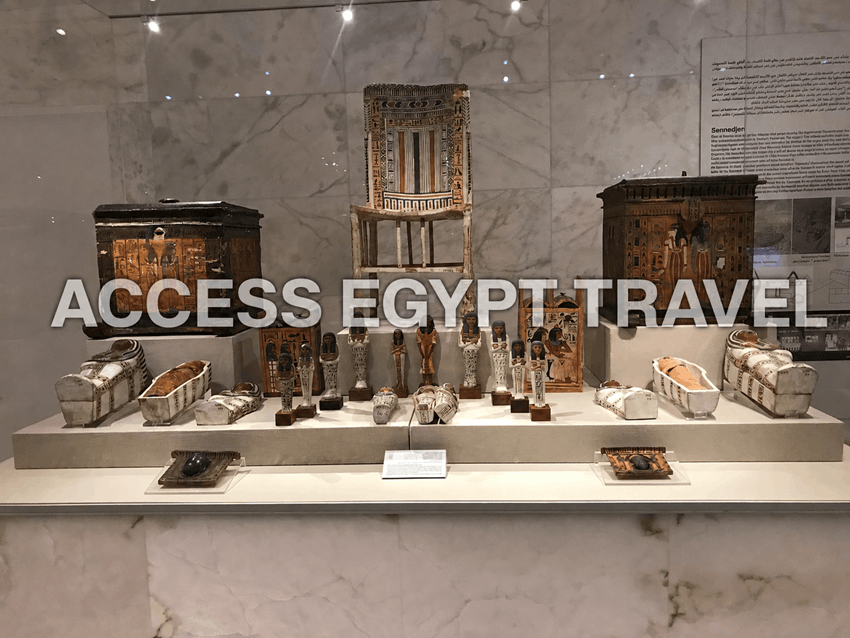
Discover 5,000 years of Egyptian heritage at the National Museum of Egyptian Civilization. Overlooking Ain El-Sira Lake, this world-class museum presents the story of Egypt through an engaging journey from prehistoric times to the present day.
Explore remarkable collections of traditional clothing, craftsmanship, art, religious objects, and everyday life from every major period of Egyptian history.
The museum’s highlight is the world-famous Royal Mummies Gallery, where 22 of ancient Egypt’s most legendary kings and queens are displayed in a carefully designed setting that honors their history and legacy.
With its modern galleries and wide-ranging collection, the NMEC offers visitors a deeper understanding of Egyptian civilization beyond its ancient monuments.
Stretching 2.7 kilometers (1.7 miles) between the Karnak and Luxor temples, the Avenue of Sphinxes is one of the ancient world’s grandest ceremonial pathways. Originally built during the New Kingdom and completed under Pharaoh Nectanebo I, this grand boulevard was lined with over 1,000 stone sphinxes featuring both human and ram-headed statues. It served as the sacred route for the annual Opet Festival, where priests carried divine barques between the temples to celebrate renewal and royalty. Fully excavated and restored, this historic walkway reopened in 2021 as a spectacular open-air museum where travelers can follow in the exact footsteps of pharaohs.
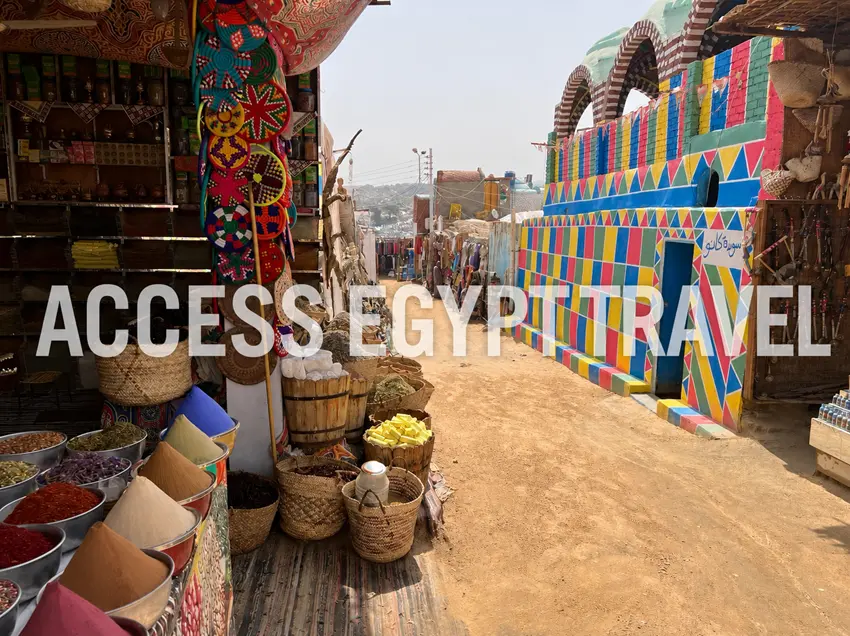
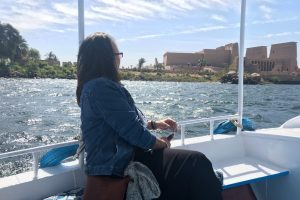
Take a scenic motorboat or felucca ride across the Nile to Aswan’s West Bank to explore a traditional Nubian village. Renowned for its brightly painted homes and warm hospitality, this excursion offers an authentic look into the rich culture, language, and heritage of the Nubian people.
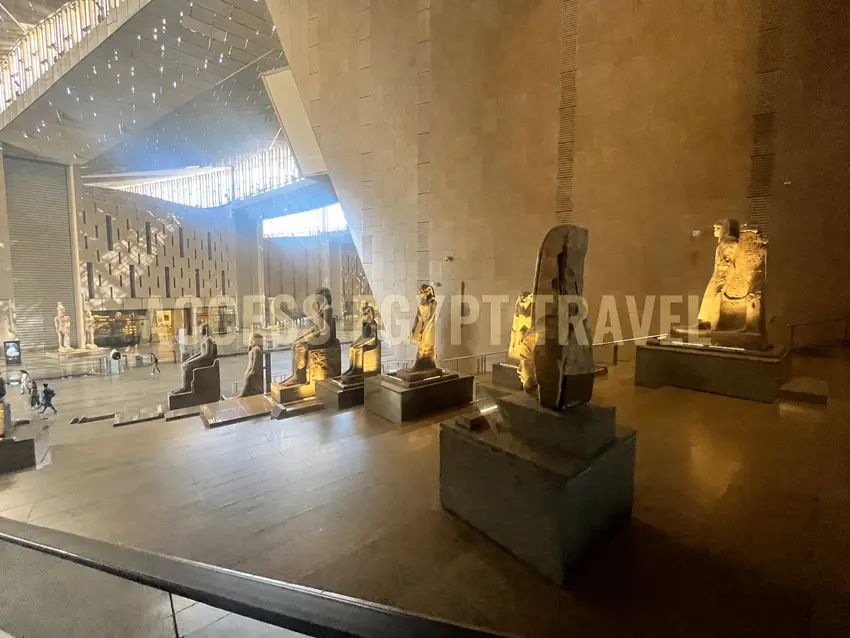
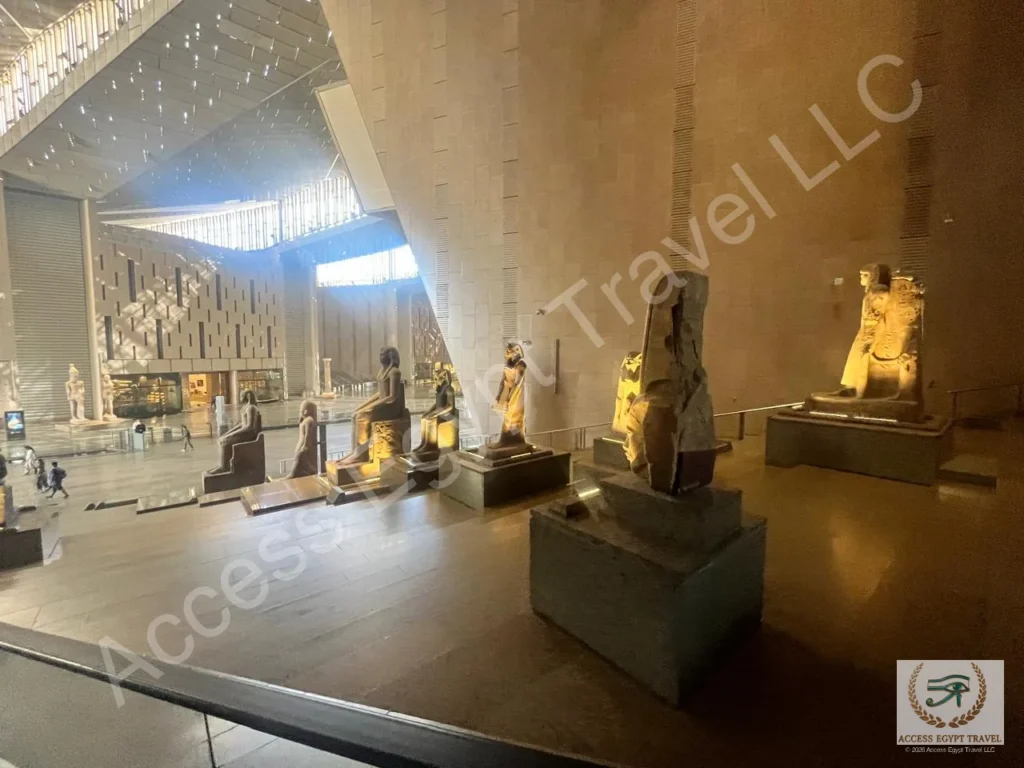
Located on the Giza Plateau, just two kilometers from the Pyramids, the Grand Egyptian Museum is the world’s largest archaeological complex dedicated to a single civilization. Covering more than 500,000 square meters, it houses over 100,000 ancient artifacts, including the complete 5,000-piece Tutankhamun collection.
Visitors begin their journey in a spectacular atrium featuring the 3,200-year-old colossus of Ramses II. A grand staircase lined with royal statues leads toward panoramic views of the nearby Pyramids.
Climate-controlled galleries, interactive displays, dining, and modern visitor amenities combine ancient Egyptian heritage with a comfortable contemporary museum experience. Its location makes it an ideal addition to a Pyramids and Sphinx day tour.
Located at the highest point in Cairo atop the Saladin Citadel, the Mosque of Muhammad Ali (popularly known as the “Alabaster Mosque”) is one of Egypt’s most famous historic landmarks.
Saladin Citadel (Al-Qalaa): Built in 1176 CE by Salah al-Din to protect Cairo from Crusader armies, this massive medieval fortress served as the seat of Egypt’s government and royal residence for nearly 700 years. The complex features fortified towers, military museums, and multiple historical mosques spanning several dynasties.
Mosque of Muhammad Ali: Commissioned in 1830 by Muhammad Ali Pasha in the classic Ottoman imperial style, the mosque features dramatic pencil-thin minarets soaring 84 meters high and a massive central dome. Its interior and lower exterior walls are clad in polished alabaster stone, giving the mosque its signature name.
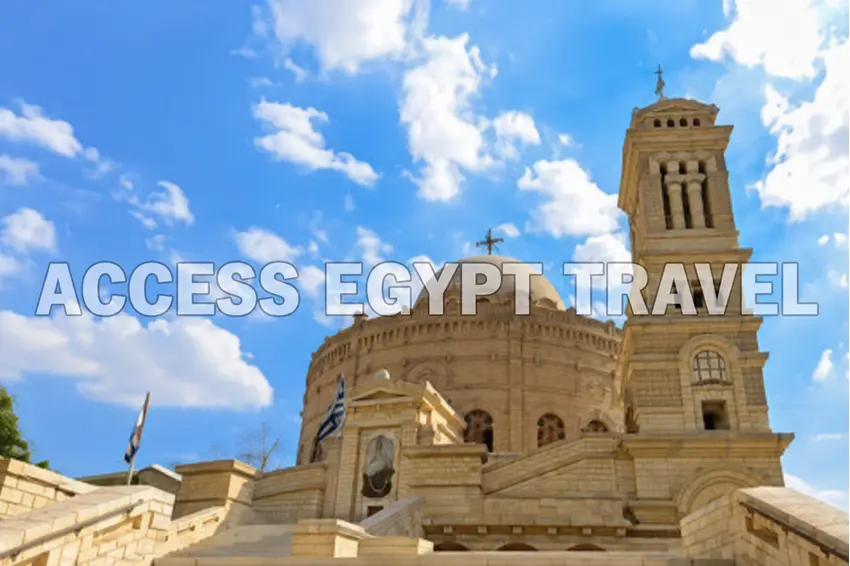
Situated in Old Cairo around the ancient Roman Fortress of Babylon, Coptic Cairo is the heart of Egypt’s Christian heritage. This compact, pedestrian-friendly district brings together some of Cairo’s most important historic places of worship.
Together, these landmarks offer a fascinating journey through centuries of faith, architecture, and cultural history in the heart of Old Cairo.
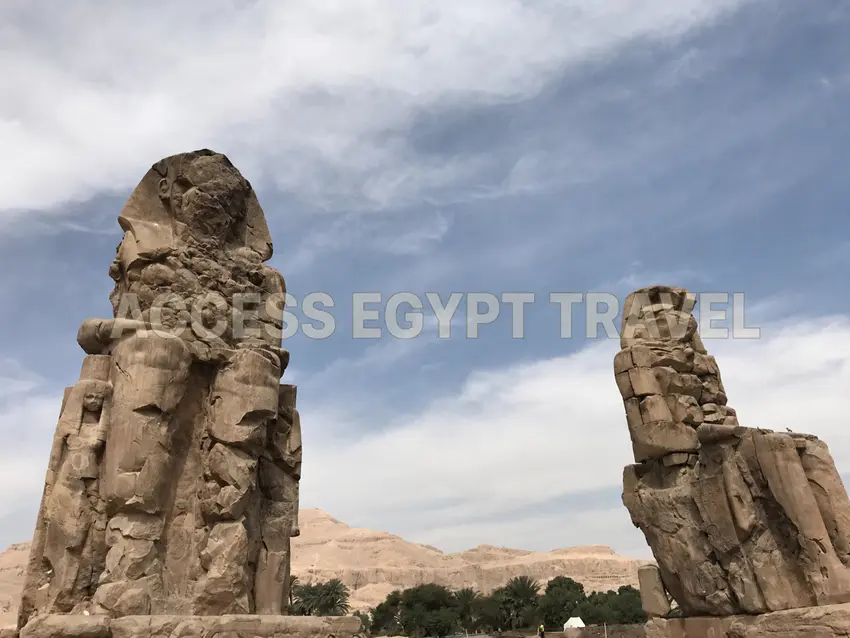
The massive stone statues (60 ft high) flank the entrance of the funeral temple of the rich pharaoh Amonhotel III; who ruled Egypt in 1350 BC. The temple was the largest on the west bank but unfortunately has been damaged by an earthquake and only the 2 statues still rising majestically.
Located on the west side of Luxor.
A short stop on your way to the valley of the kings.
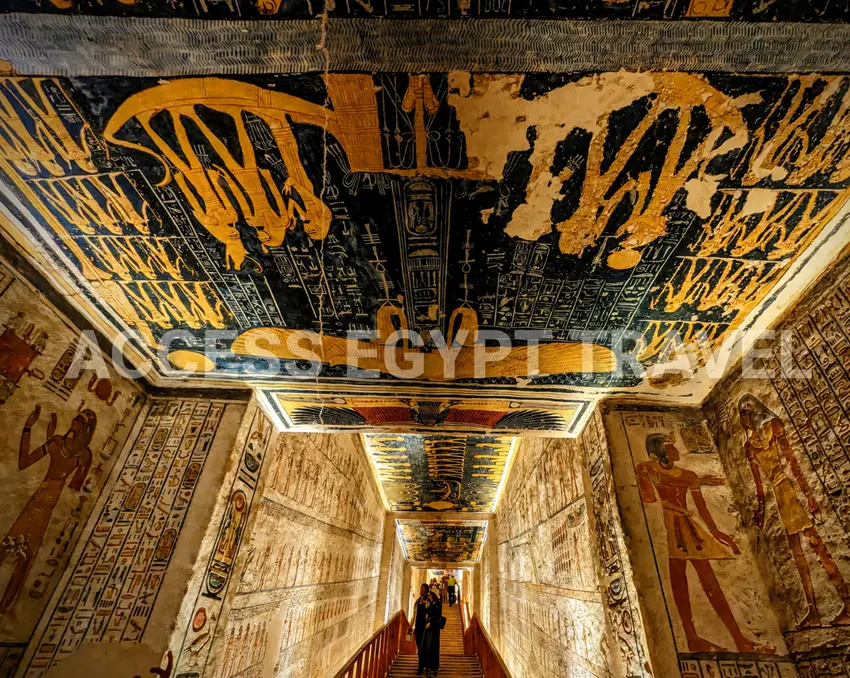
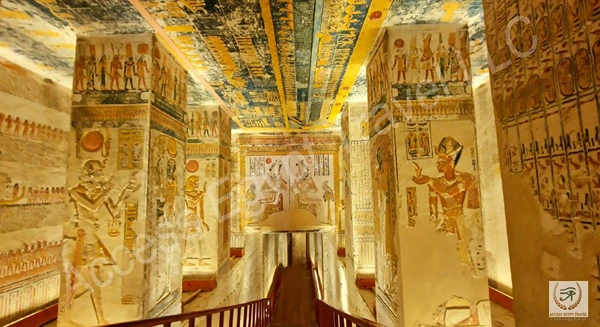
The Valley of the Kings is one of Egypt’s most extraordinary archaeological sites. Hidden among the desert hills, its royal tombs preserve colorful wall paintings, sacred texts, and remarkable scenes created more than 3,000 years ago.
This secluded valley became the principal burial place for the pharaohs and powerful nobles of Egypt’s New Kingdom. Its remote location was deliberately chosen to protect the royal mummies and their treasures for the afterlife.
The valley contains the tombs of celebrated rulers including Tutankhamun, Ramesses the Great, and Seti I. Each accessible tomb offers a fascinating glimpse into ancient Egyptian beliefs about death, rebirth, and the journey to the afterlife.
A Hidden village in the heart of the Theban mountains which was the house of the workers and artisans who dug and painted the tombs at the valley of the kings and queens since 1520 BC. Apart from visiting the temples and royal tombs, this village is one of the most important and interesting archaeological sites because of the wealth of information it provided on the daily life of the people who lived there. Unfortunately a small number of tourists make it to that hidden gem. The site offers tombs, a temple and the remains of their houses.
Located on the west side of Luxor.
Opens daily 6a.m – 5 p.m.
It takes about 30-45 minutes to get there by car. A few minutes ride from either the valley of the kings or the valley of the queens.
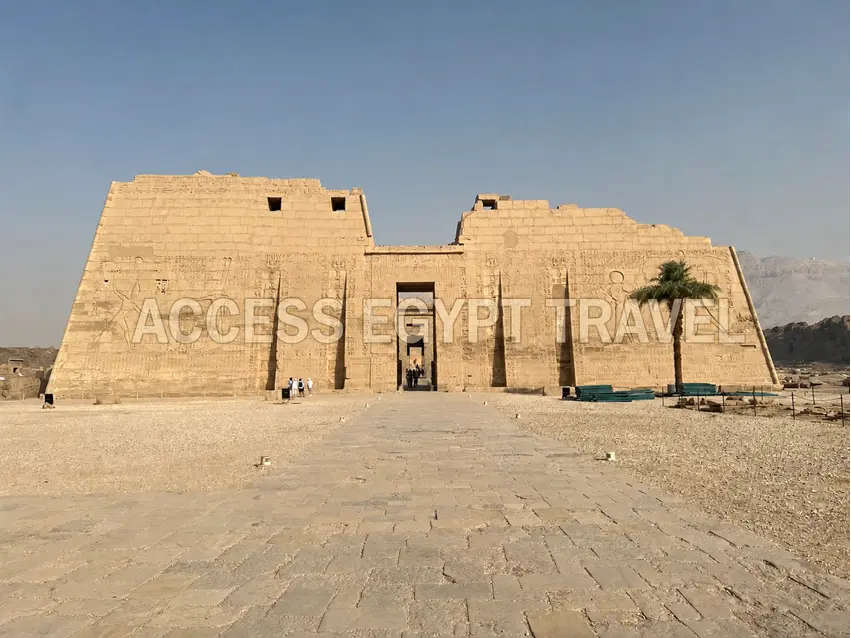
The magnificent memorial temple of Ramesses III (1186-1155 BC). One of the Least visited sites of Egypt although the colors and the unique war scenes should make it of the highlights of Luxor. A visitor to the site gets to see the remains of the palace of Ramesses III which was adjacent to the temple.
Located on the west side of Luxor.
Opens daily from 6 a.m.-5 p.m.
It takes about 30-45 minutes to get there by car. A few minutes ride from the valley of the kings or the valley of the queens.
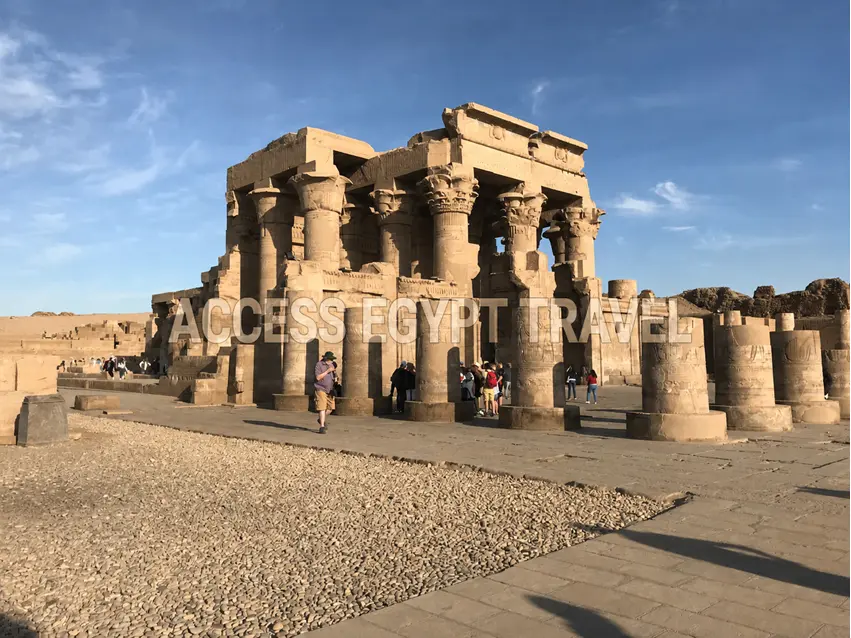
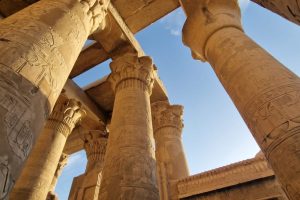
Standing right by the shore of the rive Nile; Com Ombo temple is one of the most beautifully sited temples. Despite not being in a good state of preservation, the temple is quite unique in terms of being dedicated to 2 gods. The crocodile god, Sobek, is depicted everywhere on the walls of the temple. A visitor to the temple has access to see the mummified crocodiles which are displayed in a small museum on your way out.
Located about 30 miles (50 km) north of Aswan.
Opens 9 a.m. – 5 p.m.
A walking distance from the cruise ship. Also possible to visit by road from either Luxor or Aswan.
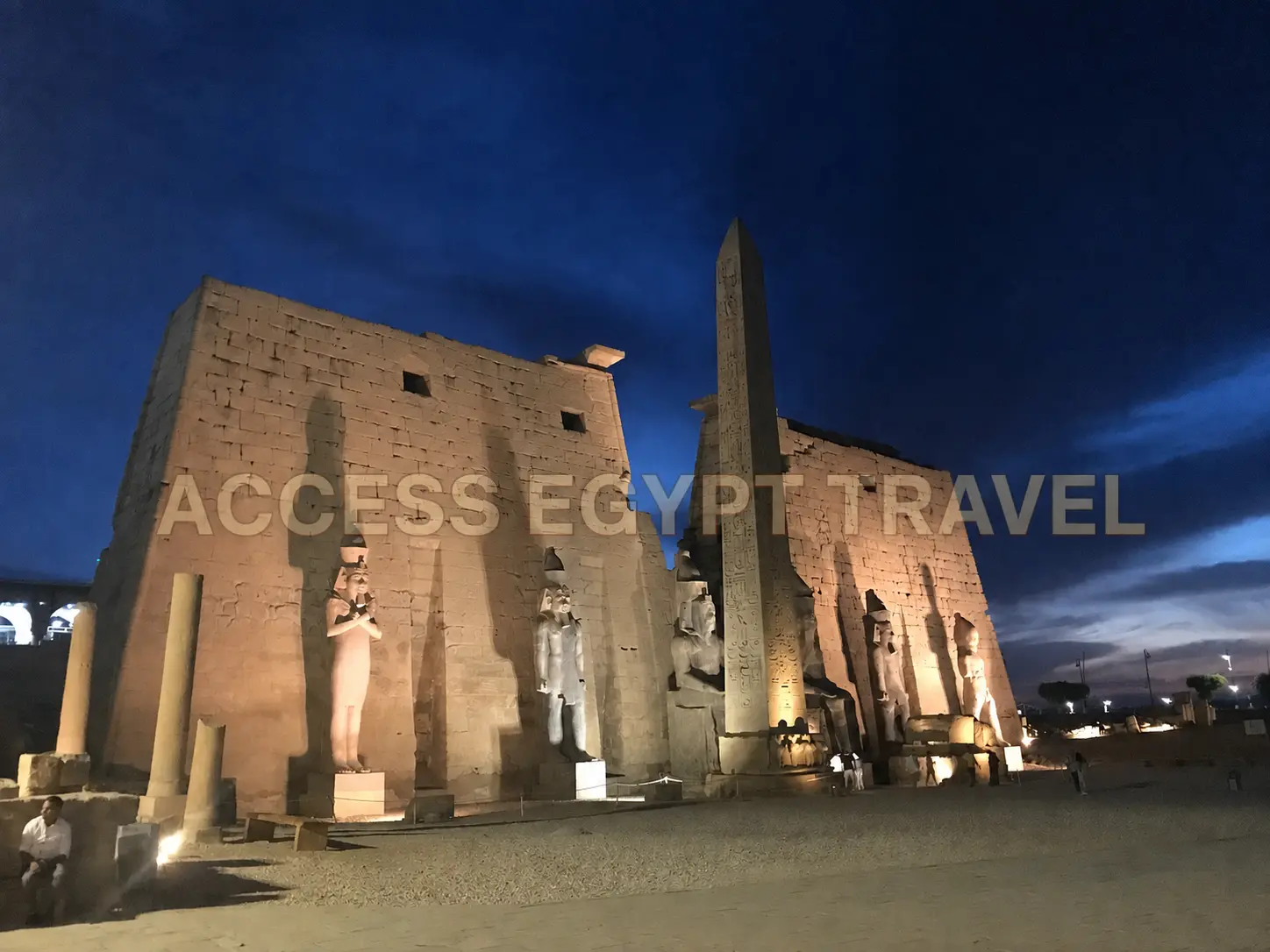
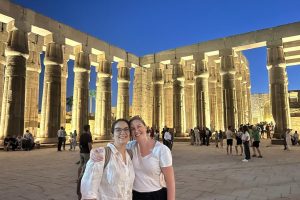
Built around 1400 BC, Luxor Temple is one of Egypt’s most iconic ancient monuments. Unlike many Egyptian temples dedicated to a particular deity, it was closely associated with kingship, royal ceremonies, and the renewal of pharaonic power.
Several rulers contributed to the temple’s development, including Amenhotep III, Tutankhamun, Ramesses II, and Alexander the Great. Its impressive features include colossal statues, monumental gateways, elegant courtyards, and towering columns.
Luxor Temple is especially atmospheric after sunset, when its illuminated statues and columns create a completely different experience from a daytime visit.
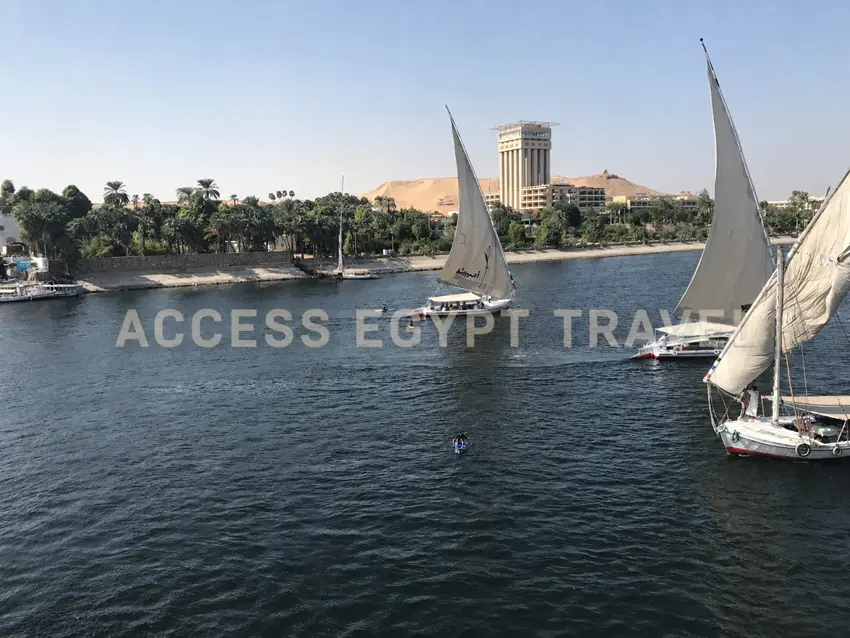
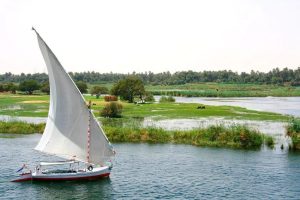
Enjoy relaxing and watching the birds while floating on a sail-boat with a view of Luxor from The Nile. The boat will take you to the Banana Island on the other side of The Nile while you can explore the little island with all the banana and citrus trees grown by the farmers, plus visiting the crocodile pools and other animals they have.
The largest obelisk of Egypt, which unfortunately left unfinished at the quarry of granite due to some natural cracks that appeared in the stone. If the ancient Egyptians managed to extract and erect that obelisk, it would have been the single heaviest piece of stone in history as it weighs about 1167 tonnes. A visitor to the quarry gets to see the marks of other obelisks and artifacts that had been extracted and moved to the different temples of Egypt.
Located in Aswan about 1.5 km far from town across the street from an old Fatimid Cemetery.
Opens daily 7 a.m.- 4 p.m.
It takes about 10-15 minutes to get there by car.
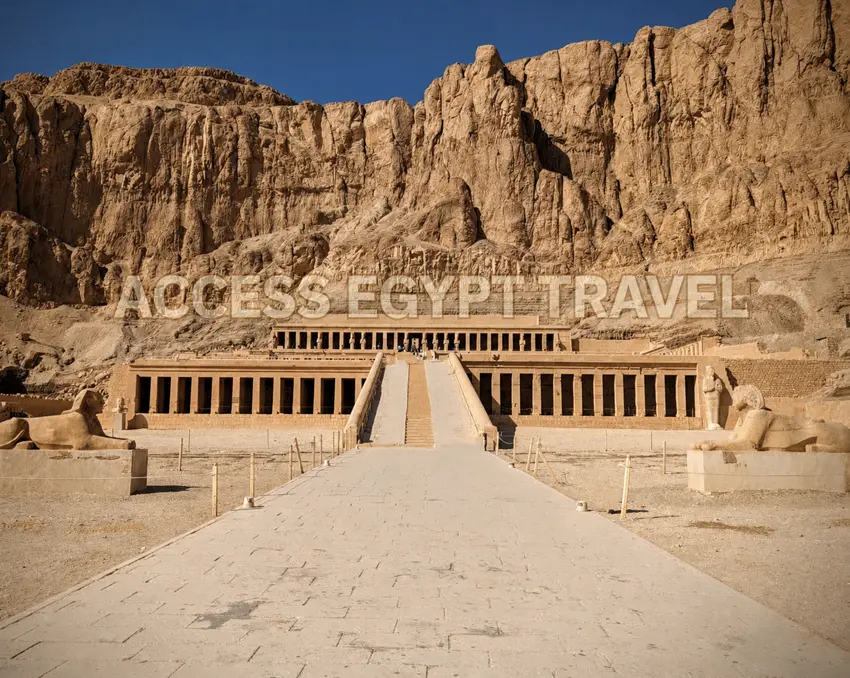
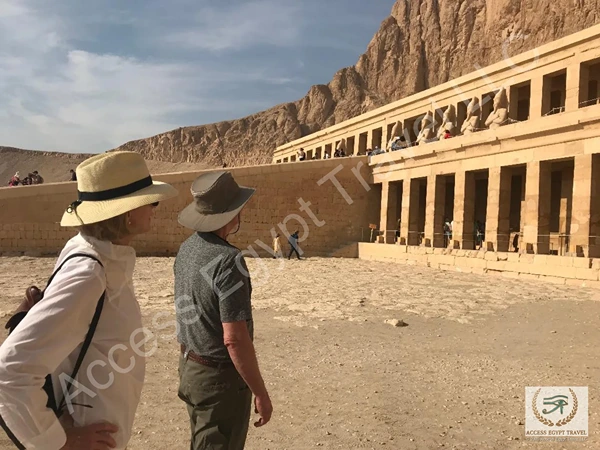
The beauty immense temple of Hatshepsut that’s sunk in the heart of the limestone cliffs; partly carved into the mountains, was built around 1478 BC. A master piece of architecture, that was commissioned by the strong lady who ruled Egypt as a king for 22 years.
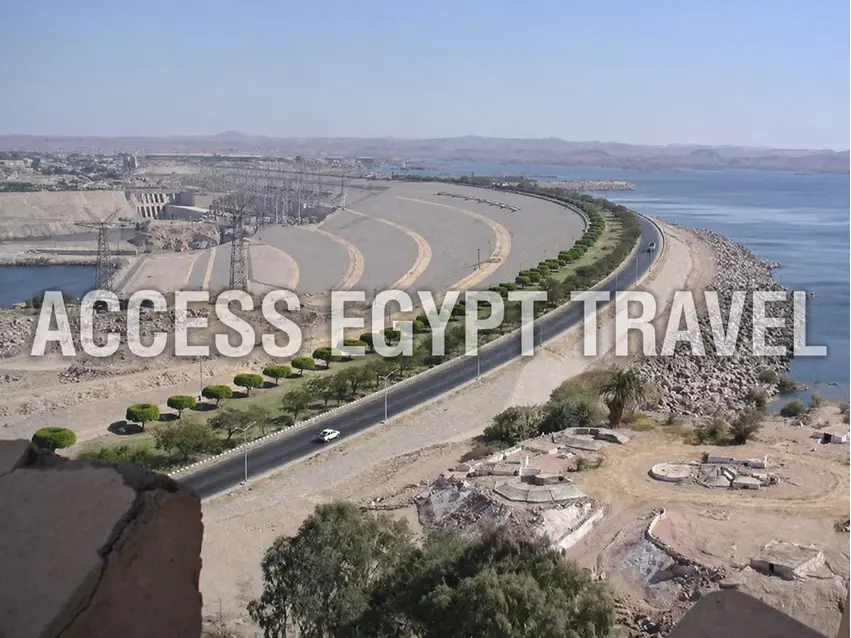
The rock-fill dam is Egypt’s most important and impressive achievements in modern history. That engineering miracle took about 10 years to be built; work started in 1960 and was inaugurated in January 1971. The dam’s construction required about 44 million cubic meters of building materials, and a workforce of about 34000 people with an investment of 1$bn.
From the top of the dam you can gaze across Lake Nasser which was created by the dam and considered to be one of the biggest man-made lakes in the world; it extends all the way into the Sudan with a total length of about 340 miles (550 km). It serves the irrigation needs of both Egypt and the Sudan, controls flooding, generates power and helps navigation on the river Nile all year round.
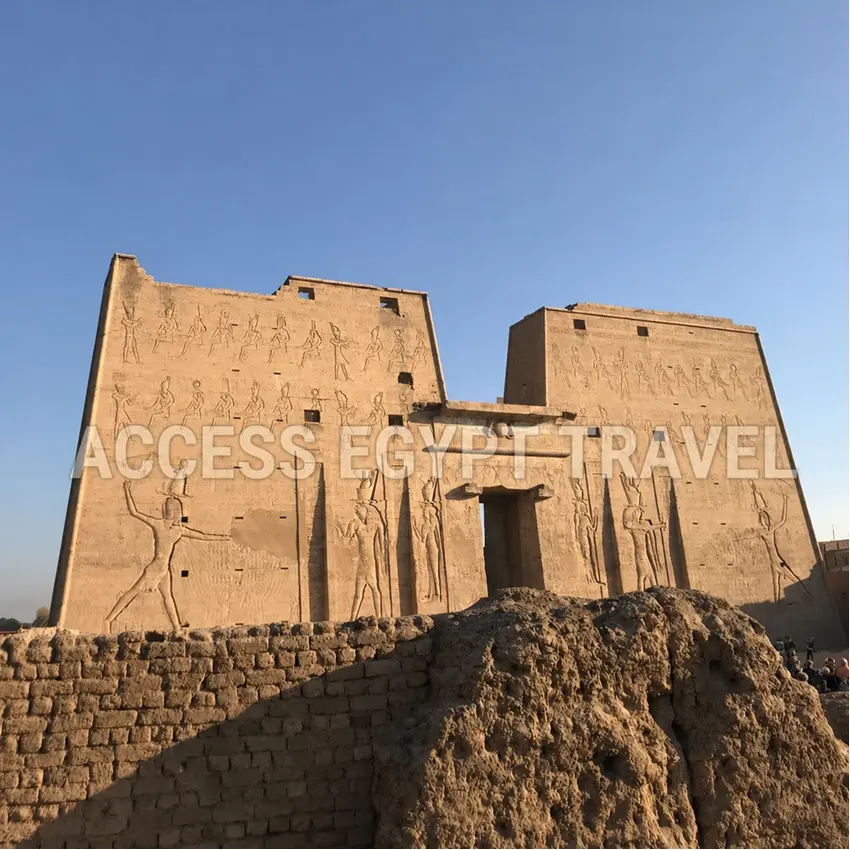
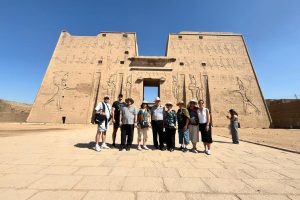
One of the most beautiful temples of Egypt, due to its completeness and state of preservation. Edfu temple is the best example of the Ptolemaic temples in Egypt which dates back to Ptolemy III 237 B.C. The entrance to the temple is marked with 2 huge towers which are so called the pylon; each is about 118 ft high.
Located halfway between Luxor and Aswan, about 70 miles (115 km) of each.
Opens 6 a.m. – 5 p.m.
Visitors from cruise ships get to the temple on a horse-carriage that takes about 15 minutes each way. Also possible to visit by road from either Luxor or Aswan.
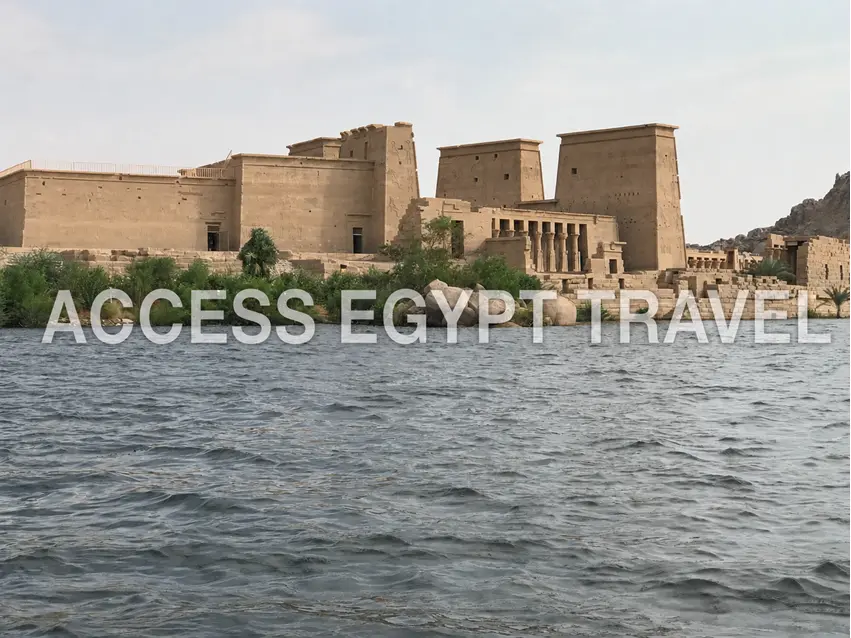
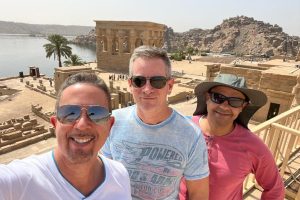
No doubt that Philae temple has one of the most attractive locations among all monuments in Egypt, since it’s built on one of the islands in the reservoir of the Old Aswan Dam, therefore the only way to get there is by a little motor boat. Approaching the island, the scenery is beyond words with the temple presiding over the new island Agilika as it had to be moved due to the rising water of the dam.
Philae temple was built and dedicated to the goddess Isis in 690 BC, and it was the last place where the ancient Egyptian religion was practiced up until 550 A.D. A sound & light show adds more charm to the island at night.
Located on Agilika island close to the old Aswan Dam and only reachable by motor boats.
Opens daily 7 a.m – 4 p.m.
It takes about 25 minutes to get there by car and another 15 minutes for the boat ride.
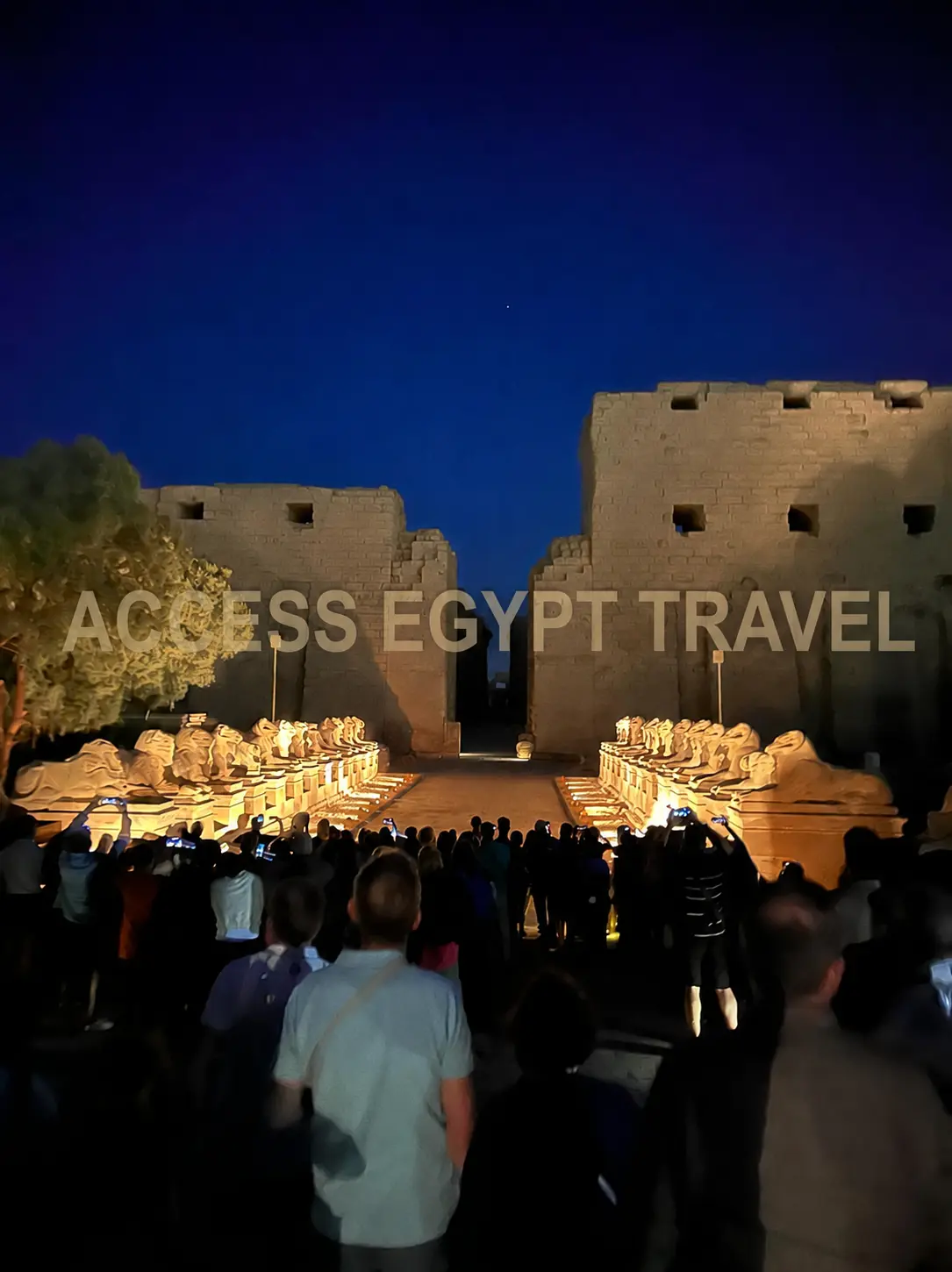
Covering approximately 200 acres, the Karnak Temple Complex is one of the largest and most impressive religious sites ever constructed. Its temples and monuments were developed over nearly 2,000 years by generations of Egyptian rulers.
This remarkable open-air museum contains monumental gateways, sacred temples, towering obelisks, ceremonial shrines, colossal statues, and the famous Great Hypostyle Hall with its immense decorated columns.
Karnak offers an unforgettable journey through the architecture, beliefs, and royal history of ancient Egypt.
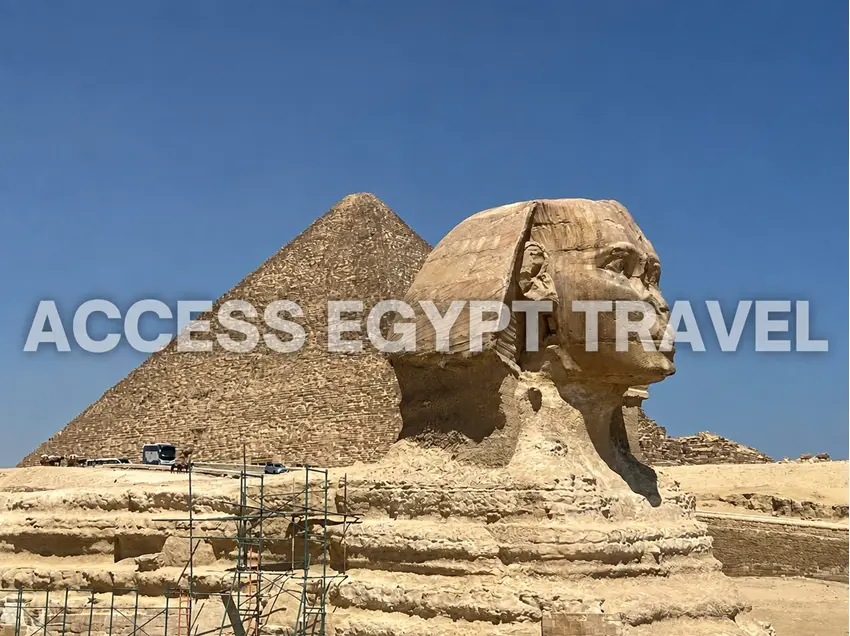
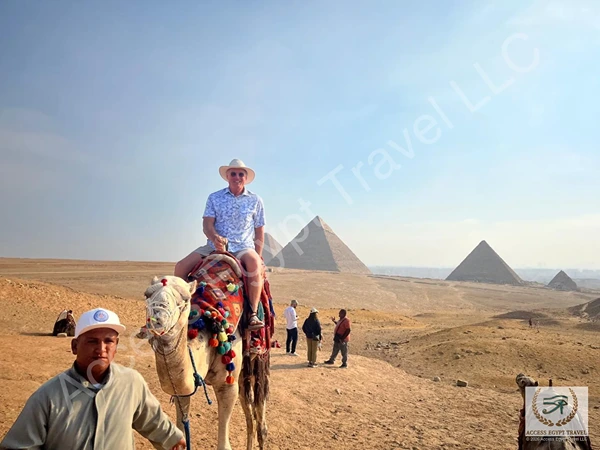
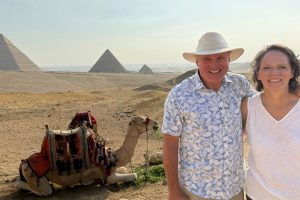
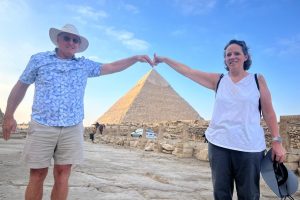
The last remaining wonder of the ancient world which are about 4000 years old; today they stand to prove the might, organization and achievements of the Ancient Egyptians, leaving people speechless with so many unanswered questions.
The Pyramids are part of the Giza necropolis which dates back to the 4th dynasty in the Old Kingdom period of the Egyptian history. The biggest pyramid belongs to king Khufu which took about 20 years to be built, while the other two belong to Khafre and Menkaure (well known by other Greek names).
The Sphinx is a limestone structure; a mythical creature represented in the lion’s body and human’s head. It’s also one of the world’s largest monuments measuring 240 feet (73 meters) long and 66 feet (20 meters) high. It was built by King Khafre around 2600 BC.
Located about 8 miles (13 km) southwest of the city center of Cairo.
Opens daily 8 a.m. – 5 p.m.
It takes about an hour or less to get there by taxi from the city center depending on traffic.